If you run a small company, you currently stay in triage mode. You handle cash flow, personnel, consumers, conformity, and everything in between. Health and safety commonly sits in the "we'll get to it later" pile, till something significant takes place in your store, office, workshop, or storehouse.
I have actually sat with proprietors after a medical emergency, listening to the same mix of relief and regret: alleviation that the person made it through, remorse that personnel really felt defenseless in those frenzied initial minutes. Every one of those owners after that moved first aid and CPR training from "wonderful to have" to "non-negotiable".
The good news is that contemporary first aid and CPR courses are not week-long marathons anymore. Fast first aid courses, express CPR training, and concentrated first aid and CPR courses are designed particularly for people like you who can not close down a business for a full day. The key is understanding what "fast" need to and should not imply, and exactly how to fit premium quality training right into a limited routine without just ticking a box for a certificate.
Why speed matters for tiny businesses
Timing issues two times here. Initially, in an actual emergency situation, the first 3 to 5 mins commonly identify results. Second, in your business life, you just have many hours you can draw on your own and your team off the floor.
For numerous small companies, closing the doors for a complete day of common first aid training indicates shedding a considerable piece of once a week income. Retailers, cafes, health clubs, trades, childcare centers, and also little professional offices frequently deal with slim margins. That is where fast first aid and fast CPR alternatives make their location. They compress concept, usage pre-course material, and focus in-person time on hands-on abilities certified CPR first aid training and practical scenarios.
Think of it as a combined strategy to take the chance of: you are not lowering the criterion, you are decreasing the thrown away mins in a conventional classroom format.
What "fast" first aid and CPR training need to include
A fast first aid course or express first aid course need to really feel lean, not hollow. Shorter period is practical, but just if the core skills are appropriately covered and practiced.
For basic offices, an efficient first aid and CPR course usually covers:
Life-threatening emergency situations: heart attack, choking, serious blood loss, and anaphylaxis. You must leave certain with basic CPR training, use an AED, and just how to manage an unconscious person safely. Common workplace injuries: burns, cuts, sprains, cracks, eye injuries, and small head injuries tailored to your environment. Medical occasions: identifying stroke, heart attack signs, diabetic emergency situations, and seizures so you can act early as opposed to "waiting and seeing." Scene administration: remaining secure, managing onlookers, collaborating with emergency services, and using whatever equipment you keep site. Legal and documentation basics: authorization, incident reporting, and sensible document keeping.Fast first aid training generally does several of the expertise job online in advance, then makes use of on-site time practically completely for technique and scenarios. A proficient trainer will still urge you demonstrate abilities, not simply pass an on the internet quiz.
If your business deals with children, express childcare first aid training or an express childcare first aid course requires to add pediatric-specific material. That indicates infant and child CPR, choking in toddlers, febrile convulsions, and child-safe positioning. In my experience, the most useful component of these courses is practicing on youngster and baby manikins till personnel stop feeling terrified of breaking a little rib and begin focusing on doing top quality compressions.
Balancing time, expense, and quality
Owners frequently ask me some variation of, "What is the quickest and cheapest first aid course I can get, that still keeps us risk-free and certified?" It is a reasonable question.
Fast certification is not concerning slashing off vital content. It is about 3 levers you can tune to your scenario: style, frequency, and team size.

Shorter, blended layouts lower the moment staff spend off the floor. Refresher options, like a fast CPR correspondence course, maintain abilities existing in simply a couple of hours yearly, as opposed to redesigning a complete first aid and CPR course from scratch. Scheduling private, on-site first aid and CPR training classes for a group of 6 to ten typically ends up less expensive per person and less disruptive than sending out people to public classes on different days.
It is worth being dubious of any kind of fast first aid course that appears to rush you via evaluation or skips hands-on technique entirely. An express cpr course that lets people pass without physically demonstrating compressions and AED use is handing you a piece of paper, not a reputable very first responder.
Cost-wise, a lot of small businesses I work with find a functional equilibrium by accrediting a core group deeply and afterwards including lighter touch training for every person else. For instance, 3 crucial personnel might finish full first aid and cpr courses, while the remainder of the team does a shorter fast cpr course and fundamental first aid training focused on one of the most typical occurrences because environment.
On-site vs public courses: what really operates in practice
The means you established your training has as much effect as the curriculum itself.
Public first aid courses and CPR courses are convenient for extremely small teams or solo owners. You just publication on your own or one team member into a fast first aid course near you, turn up, and bring the certificate back. The drawback is that public classes are basic, not tailored. You wind up practicing scenarios that may have absolutely nothing to do with your real workplace.
On-site express first aid training, on the various other hand, allows a trainer go through your environment. I have seen trainers make use of a business's actual stairs to show risk-free recovery setting actions, or practice evacuation from the spot where clients typically queue. In childcare facilities, excellent express child care first aid courses will certainly adjust situations to snooze rooms, play grounds, and nourishment routines.
The compromise is that on-site training commonly needs a minimal number of participants. If you run a three-person workshop, you might require to partner with one more nearby company to hit that minimum. It is frequently worth a phone call to various other renters in your building to see if they intend to share an express cpr course or fast first aid training day.
What a realistic "fast" timeline looks like
Owners occasionally picture a 45 min on-line video and a first aid certificate. That is not practical or responsible, specifically if you have employees.
A regular, qualified timeline for fast first aid and CPR may look like this:
You or your staff invest 1 to 2 hours of self-paced on-line knowing covering the concept: basic anatomy, concepts of first aid, and lawful aspects. That can be done throughout quieter times or split right into pieces across a week. After that you attend a 2 to 4 hour in-person session focused on demonstrations, practice, and evaluation. That is your express first aid or express cpr course in practical form.
For refresher training, a fast cpr correspondence course may compress in-person time down to 1.5 to 2 hours, offered personnel complete their pre-course online evaluation and still meet abilities standards under assessment.
The total time financial investment is still fifty percent of what typical, totally in-person courses utilized to require, yet you maintain the crucial hands-on aspect that pure e-learning can not replace.
Legal and obligation angles owners commonly underestimate
Regulations vary by country and industry, so I avoid providing covering lawful guidance. That said, a few patterns correspond throughout a lot of little businesses.
First, regulators and insurance firms generally care less regarding the particular supplier you pick and a lot more concerning 2 things: that your first aid training is present, and that it is suitable to your threats. A small office has different requirements to a metal construction shop, and a family daycare has various requirements once again. If you take care of youngsters, harmful materials, or hefty equipment, generic online-only first aid is nearly never taken into consideration adequate.
Second, if a case takes place and you can not show that team got appropriate first aid and CPR training, it can make complex obligation and employees' compensation claims. I have seen instances where a service technically complied with the letter of the legislation, however the lack of any skilled person on the shift in question made the results far more painful.

Third, some territories clearly reference identified certifications. Seek a fast first aid course or first aid and cpr course that is straightened with national or widely approved frameworks. Ask direct questions regarding how long the certificate stands, what sort of first aid certificate you will certainly receive, and whether CPR is included or separate.
Making fast first aid genuine in your details business
The ideal training for a business is not generic. It is based in what actually takes place in your environment.
I usually begin by asking an owner to note the 3 probably clinical incidents in their work environment, and the one headache event that keeps them awake. In a cafe, it may be burns, cuts, and choking. In a health club, it may be sprains, drops, and sudden cardiac arrest. In a child care setting, it could be allergies, drops from play ground devices, and choking during meals.
From there, we build a simple turning of training: that needs complete first aid and cpr training classes, who requires an express cpr course, and that needs a minimum of a fast first aid summary with focus on identifying issues and calling for help early.
Here is a small contrast that mirrors what many owners wind up deciding on:
|Function/ context|Regular training mix|| --------------------------------|------------------------------------------------------------------|| Owner/ supervisor|Full first aid and CPR course, rejuvenated every 2 to 3 years|| Change managers/ team leads|Express first aid course plus fast cpr refresher course annually|| General team|Express cpr training and short, scenario-based first aid updates|| Childcare-focused organizations|Express child care first aid course for all space leaders|
This sort of tiered strategy allows you keep a core of very qualified people on each change, supported by staff who can begin CPR, bring equipment, and coordinate callers.
Spotting quality in fast first aid and CPR providers
You do not need to end up being a training expert, but you do need a quick method to separate serious service providers from box-tickers. When you are hunting for a "fast first aid course near me" or "express cpr courses" online, it is appealing to arrange purely by rate and timetable. That is the best starting point, not the right coating line.
Here is a short checklist I provide owners that intend to vet providers rapidly:
Does the course description plainly separate online theory from in-person practical time, and describe what each covers. Is there explicit reference of practical assessment for CPR, healing placement, and key first aid skills. Can they clarify exactly how their first aid certificate straightens with your neighborhood regulatory expectations or industry norms. Are class sizes topped at a level that still permits specific comments throughout hands-on practice. Will the trainer adjust instances and scenarios to your particular organization environment.If a company is unclear concerning any one of those factors, or seems aggravated by the inquiries, that is normally a sign to keep looking.
Making training stick: what happens after the course
The day of your express first aid training is just half the tale. I have signed in on organizations a year after enthusiastic training sessions, only to find dusty first aid kits, ended EpiPens, and staff that hardly keep in mind where the AED lives.
Skills degeneration promptly, particularly CPR compressions and the tranquil choreography of an emergency situation feedback. That is why express cpr training and short refreshers deserve organizing every year, also if your official certificate lasts longer.
Inside business, you can reinforce training with tiny behaviors. Some proprietors run 10 minute situation discussions once a month, making use of actual events from their industry. Others make it component of their onboarding: new team shadow a more skilled individual via a 5 minute walk-through of first aid devices places and fundamental action expectations.
In child-focused environments, I highly recommend reviewing express child care first aid topics whenever there is a close to miss out on, such as a believed allergy or a severe fall that did not end severely. A fast, non-blaming debrief with team keeps the training to life and connected to genuine life.
The particular worth of child-focused fast initial aid
If your organization involves children, such as child care facilities, household day care, kids' sports programs, or interior play areas, common first aid courses are not enough.
Express childcare first aid courses add three critical measurements: pediatric physiology, child-specific circumstances, and communication with households. Baby CPR, for example, uses various hand settings, midsts, and proportions than grown-up CPR. Choking in a young child looks different to choking in a grown-up at your cafe counter. A fitness instructor who lives and breathes pediatric first aid will certainly pierce those differences till they become automatic.
In my experience, the emotional load is additionally larger when dealing with youngsters. Great express child care first aid training acknowledges that. Trainers assist staff method clear, tranquil interaction with moms and dads during and after an occasion. They likewise attend to the extremely genuine adrenaline collision that comes once the rescue leaves and everybody tries to return to "typical."
Fast, focused child care first aid and cpr training classes are frequently set up outside core treatment hours, or split right into two much shorter sessions, to reduce disruption. The key is not to deal with that much shorter block as a justification to skim. If anything, the risks mean you desire harder evaluation, not easier.
Integrating first aid into your existing security systems
Most small companies currently have some kind of safety and security rhythm, also if it is informal. Maybe you run quarterly toolbox talks, or testimonial incidents at monthly team conferences. First aid and CPR belong in that exact same ecological community instead of floating as a separate, once-every-few-years event.
I typically recommend proprietors tie their express first aid courses and express cpr courses to a schedule factor they will certainly not fail to remember, such as the annual insurance coverage revival or a major seasonal change. For instance, a landscape design business could straighten their fast first aid course with the beginning of springtime, when work jumps and occurrences historically enhance. A ski hire store may run a fast cpr course just before the winter months rush.
Documenting training inside your wider security data is also wise. Keep duplicates of certificates, a simple roster of who is learnt what, and expiry express first aid Cannon Hill dates. It takes mins, but when an auditor, regulatory authority, or insurance firm requests proof of first aid training, you are not scrambling.
What "adequate" resembles for the majority of small businesses
Not every local business needs a fully kitted first aid room and half the staff trained to innovative levels. If you are attempting to decide what "adequate" resembles without overdoing it, aim for three anchors.
First, every shift contends the very least a single person on website with current first aid and CPR training that includes AED use. In a little group, that could suggest training everybody. In a larger organization, it indicates constructing your lineup around experienced individuals instead of presuming they will always be present by chance.
Second, that individual recognizes precisely where the closest first aid package, AED, and emergency numbers are, et cetera of the group knows who that person is. This is the easiest part and often the most ignored. Place names on the wall surface, include them in induction, and discuss them when shifts hand over.
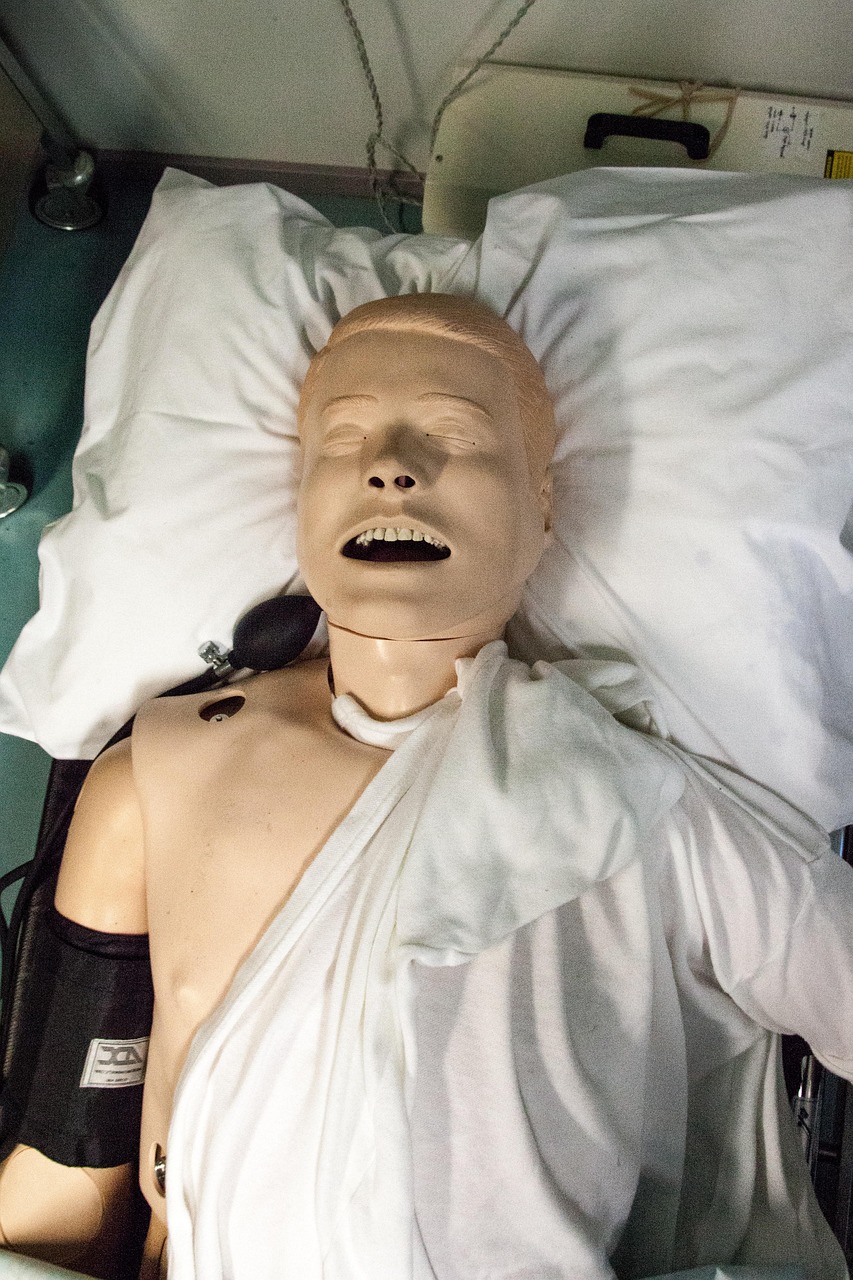
Third, training is recent enough that individuals do not freeze. Fast cpr courses and express first aid courses are made to avoid information overload. If staff leave sensation "that was easy enough that I can in fact do it under stress", you have actually hit the ideal level. If they leave stunned by lingo and obscure scenarios, something missed out on the mark.
Bringing it right into your company this quarter
If this has sat also long on your to-do list, here is a sensible way to move from intent to activity without derailing operations.
Pick a reasonable window in the following 8 weeks where service is slightly calmer, or where you can pay for a half day with decreased staffing. Choose who absolutely have to have full first aid and CPR training, that can start with express cpr training, and whether you require specialized express childcare first aid. Then make 3 telephone call or on-line questions: one to a service provider of fast first aid courses, one to a carrier of express first aid training, and, if you work with children, one that particularly markets express childcare first aid courses.
When you speak with them, inquire about blended choices, fast accreditations, and on-site training tailored to your setting. Make use of the fast list above to evaluate quality. If you can, go through your workspace with the selected trainer beforehand, explaining your real threats. That 15 minute trip can change a common session into something your team will certainly bear in mind when it counts.
The day you require it, no one on your team will care whether the course was labeled "fast first aid course", "express cpr course", or "fap first aid" in your organizing system. They will care that their hands understand what to do, that someone has the self-confidence to start, which the basics of first aid and CPR belong to exactly how your organization looks after people. That is the actual return on the hours and dollars you invest.